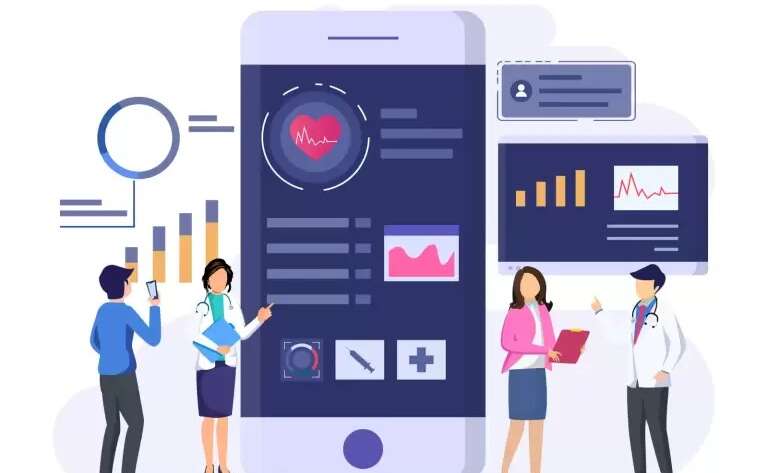
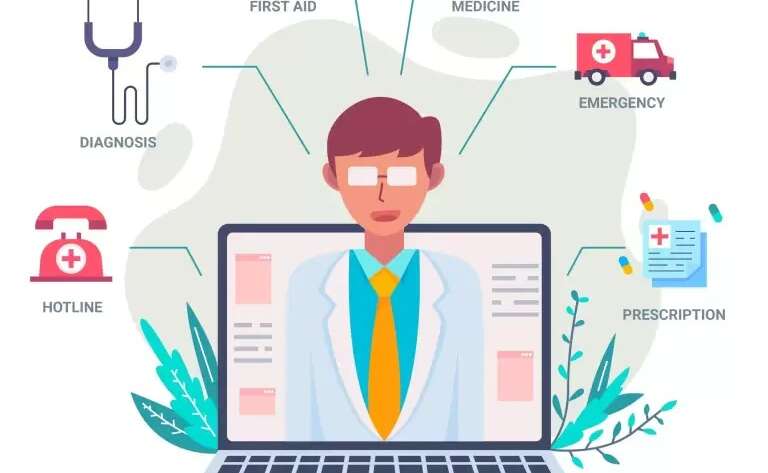
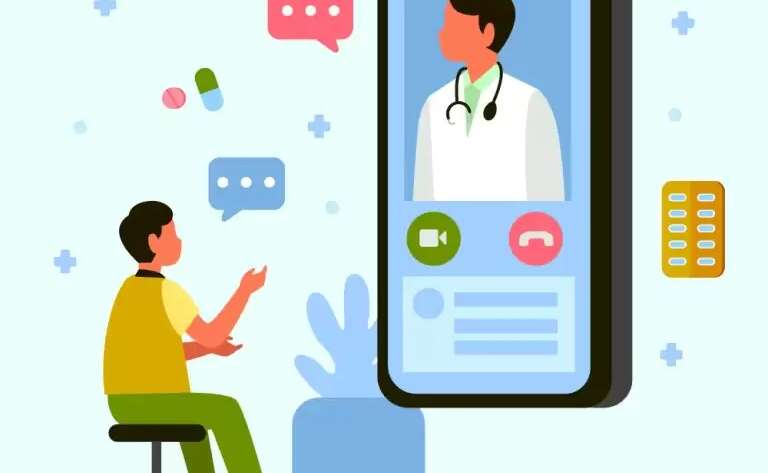
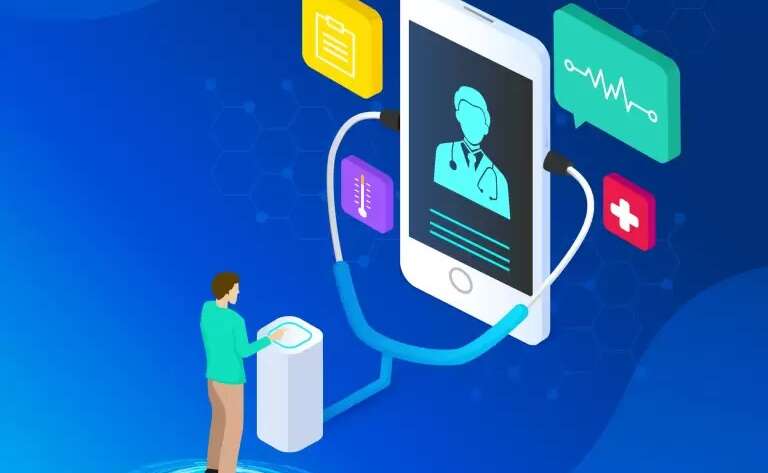
Decentralized Clinical Trials (DCTs) represent a shift in paradigm in the clinical study landscape, suggesting a host of features that are user-friendly and heighten the experience for both participants and researchers overall. Adopting the influence of technology, DCTs influence digital platforms, capabilities that are remote, and tools that are innovative to make more convenient and…
Decentralized trials (DCTs) lay emphasis on remote data access for various tasks and functions. Self-monitoring by patients is one of such tasks and in DCTs refers to the practice of trial subjects completing their health records remotely and actively participating in the progress of a clinical trial from their own homes or other non-traditional settings.…
Decentralized clinical trials (DCTs) are a modern approach to conducting clinical research that aims to enhance efficiency, accessibility, and participant engagement. These trials leverage technology to collect data remotely, reducing the need for participants to visit traditional clinical trial sites.
In DCTs, investigators are at the center of the activities and play a crucial role…
In recent years, the integration of digital technologies into healthcare has revolutionized the way patients manage their health and well-being. These technologies have empowered patients to actively participate in their healthcare journey, providing tools and resources that enable them to monitor their health, access medical information, and communicate with healthcare providers more effectively. From health…
Biomedical research is an important aspect of drug discovery and development programs. This research looks for various interventions and methodologies that help understand the diseases that affect humans and possible ways to prevent and/ or treat them. This field broadly sets up research questions that focus on understanding the mechanisms of human health and disease…
In the past 50 years, South Africa has established a regulating body for medicines that is acknowledged internationally. According to the Medicines Control Council (MCC), it is "the national medicines regulatory authority of South Africa, which is responsible, in accordance with the medicines and related substances act, 1965 (Act 101 of 1965), for providing for…
The declaration of Helsinki provides the ethical principles for medical research involving human subjects and is the guiding document for all biomedical research programs. The World Medical Association (WMA) has developed this statement of ethical principles for the physician to provide the best possible treatment to the patient and always think and act in the interest…
Developing medicines is a long intricate process that involves several players and stakeholders. It requires a huge number of financial resources coupled with infrastructure and skilled manpower. The entire agglomeration of these several players is interconnected and dependent on each other for financing every incremental step of innovation and development. This creates an interconnected ecosystem.…
Digital technology has influenced our life greatly in this 21st century. This revolution began somewhere in the mid-20th century and as of today it has revolutionized various aspects of our life. It is therefore no surprise that the healthcare sector is one of the beneficiaries of this digital revolution. In the simplest terms, electronic tools,…
Digital technology can be accessed at fingertips and a boon for a researcher to stay in touch with the participants 24 x 7 using smart devices. The compatibility of the clinical trial digital technology with any of the smartphones makes implementation simple and user friendly. These features of digital clinical trials have caught the attention…