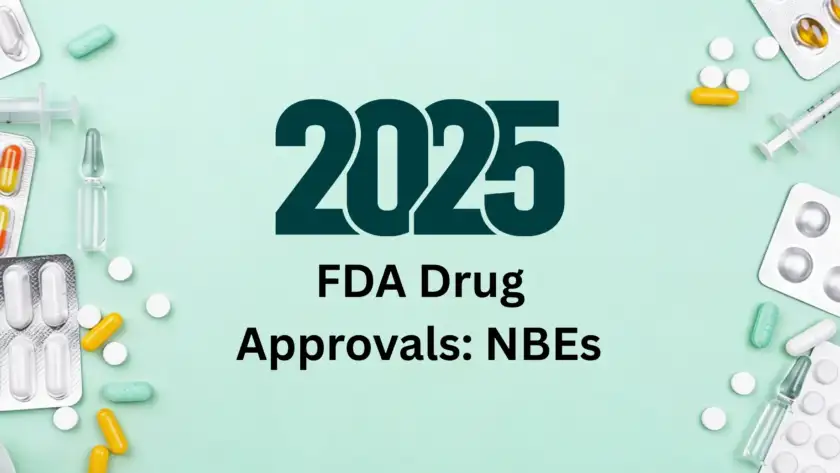
In 2025, the US FDA approved 11 New Biological Entities (NBEs), representing a significant milestone in biologics innovation. The NBE landscape showcases the power of biologics across high-value therapeutic areas, with several molecules projected to reach multi-billion-dollar sales by 2031. Oncology dominates the NBE approvals, but immunology, respiratory, cardiovascular (lipid disorders), and rare disease therapies…
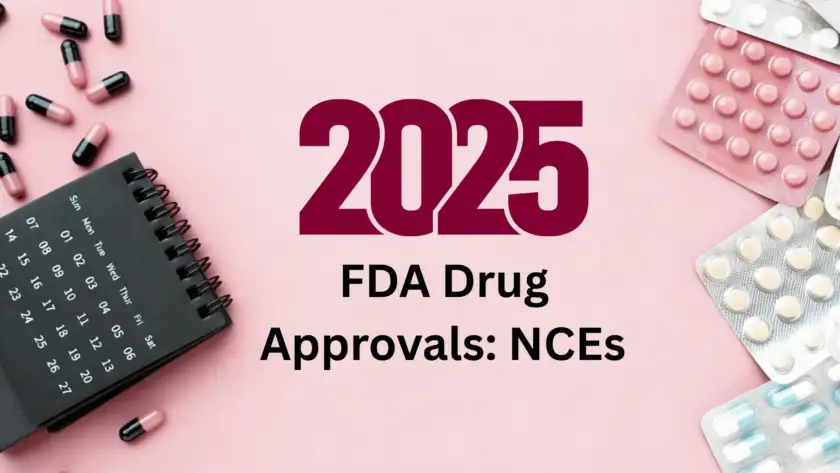
In 2025, the US FDA approved 45 new drugs, including 34 New Chemical Entities (NCEs) and 11 New Biological Entities (NBEs), highlighting a strong and diverse innovation pipeline.
Oncology continues to lead approvals, but significant momentum is also seen in cardiovascular, metabolic, respiratory, immunology, and anti-infective therapies, signaling broad-based investment across therapeutic areas.
Several newly…
In pharmaceutical development, choosing the right regulatory pathway can significantly influence timelines, costs, and overall program success. The 505(b)(2) pathway has emerged as a strategic option for companies aiming to develop differentiated drug products more efficiently.
It allows innovators to develop a new drug without repeating studies that have already been proven.
What Is The…
Every breakthrough medication starts somewhere. That somewhere is either a New Chemical Entity (NCE) or a New Biological Entity (NBE).
But what's the difference?
And why does it matter for clinical trial supply and drug development?
What is a New Chemical Entity (NCE)?
An NCE is a small-molecule drug with a unique chemical structure. It…
Reference Listed Drugs (RLD): What they are and why RLD sourcing matters in generic drug development
When developing a generic drug, one of the critical steps is identifying and sourcing the right Reference Listed Drug (RLD). But what exactly is an RLD, and why does RLD sourcing matter so much for generic drug development?
Let’s understand it through this blog.
What is a Reference Listed Drug (RLD)?
A Reference Listed Drug…
Biosimilars and generics are both affordable alternatives to brand-name medications. These drugs play a crucial role in expanding patient access to life-saving treatments. While both generics and biosimilars serve the same purpose, they represent fundamentally different products with distinct regulatory pathways. Understanding these differences is essential for pharmaceutical sponsors navigating the complex approval process and…
The year 2024 proved to be a turning point for pharmaceutical innovation. From oncology to metabolic and respiratory disorders, a new wave of therapies is redefining treatment paradigms. These therapies are creating significant market opportunities for generic challengers.
Ten regulatory agencies-approved drugs are already being called the next generation of blockbusters, with each projected to…
When it comes to drugs, one of the most common questions patients ask is, Are generic drugs as effective as branded ones?
Despite decades of clinical evidence and strict global regulations, myths about generic drugs continue to circulate, often creating unnecessary hesitation and confusion.
In reality, generic drugs play a vital role in making healthcare…
Serialization was once a regulatory checkbox. Today, it’s the backbone of compliant, efficient, and transparent clinical trial supply management. Yet, many pharmaceutical companies continue to rely on legacy serialization systems that were built more than a decade ago. These systems can’t keep up with modern compliance demands, data interoperability, or global supply complexity.
What was once…
This article, authored by our Founder Salim Shaikh in International Clinical Trial Magazine, explores how technology partnerships are reshaping clinical trials and building smarter, patient-centric supply chains.
Clinical trials are evolving faster than ever before. They are driven by innovative technology partnerships that redefine how research reaches patients. From overcoming geographic barriers to improving patient…