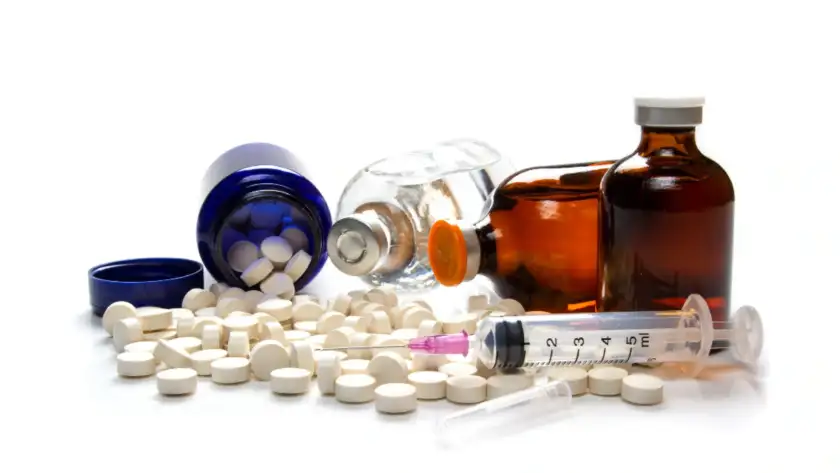
Generic drugs are essential to global healthcare, making treatments more affordable and accessible to the audience. They account for over 90% of prescriptions in the U.S. market and about two-thirds in the European market. However, developing a generic isn’t just about copying a brand drug; it requires strict bioequivalence (BE) studies to prove the generic…
Ever wondered why some clinical trials get delayed even before patient recruitment begins?
One of the biggest culprits is inefficient comparator drug sourcing. Comparator sourcing seems quite straightforward, but it is often riddled with misconceptions. It's very natural to believe that it’s just about “buying the drug,” but in reality, it is a complex yet…
Selecting the right clinical trial supplier is a crucial step that can make or break the success of your clinical research. In a competitive landscape with over 50,000 pharma and biotech firms globally, choosing a reliable partner for clinical trial supplies has never been more critical. This comprehensive guide sheds light on factors, processes, and…
When filing an NCE-1 application, being the first applicant to do so is not just a badge of honor; it also gives a strategic edge. The Para IV filing offers exclusive opportunities to dominate the market before competitors enter the scene.
Despite this lucrative benefit, common myths persist, clouding judgment, delaying action, and costing companies…
2028 is going to be a landmark year in the pharmaceutical industry. Several blockbuster drugs, each with billion-dollar sales projections, will lose patent exclusivity, opening the door for Para IV filings.
For generic and biosimilar manufacturers, this represents a great opportunity. With the right data, the right timing, and tools like NCE Grid to track…
The Promise of Healing Without Medicines
Imagine a situation wherein, instead of treating diseases with medications for the rest of your life, your body could actually repair itself. That's the exciting promise of stem cell therapy, also popularly known as regenerative medicine. Stem cell therapy isn't just about treating disease—it's about giving your body the…
Clinical trial supply management (CTSM) involves all the processes, such as planning, forecasting, procurement, manufacturing, storage, and distribution of clinical trial supplies in an efficient manner. This ensures that the appropriate clinical trial supplies reach clinical trial participants at the right time and in accurate condition. CTSM is a crucial part of running clinical trials…
Blood cancer affects millions of people worldwide, creating a challenging situation. A study predicts that in 2025, 66,890 new cancer cases and 23,540 cancer deaths will occur in the United States due to leukemia.
Decentralized Clinical Trials (DCTs) have transformed how clinical trials are conducted. This makes the clinical trial process more flexible and patient-friendly. This minimizes the requirement of participants to visit a trial site frequently. DCTs use technology to manage trials at remote locations with high efficiency, effectively managing clinical trial supply at different locations.…
Comparator drugs play a pivotal role in determining the quality, efficacy, and safety of the generic drug. It acts as a standard drug that will be used to compare the generic copies. It is essential to source the right comparator drug from genuine manufacturers, as there are many challenges in this process. Comparator sourcing can…