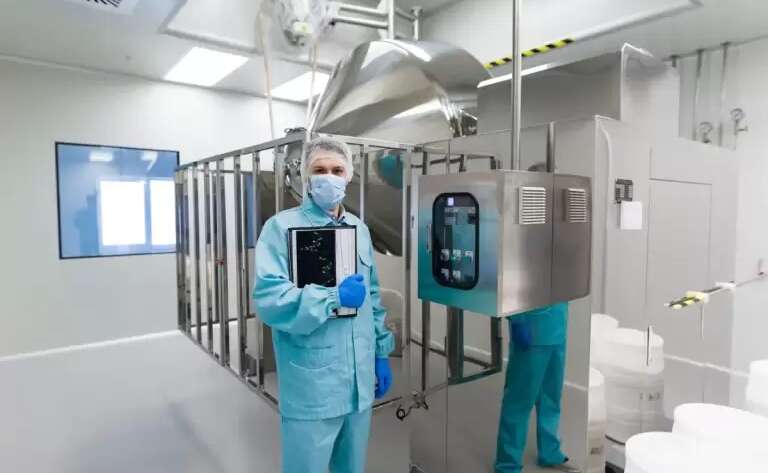
Comparator drug sourcing plays a critical role in the clinical trial ecosystem. It involves identifying, acquiring, and supplying approved reference drugs—commonly referred to as comparator drugs—that are essential for comparing the efficacy and safety of new investigational products.
These comparator drugs serve as the benchmark in clinical trials, allowing researchers to draw reliable comparisons between…
Cell and gene therapy belong to the field of biomedical research and is currently categorized as an experimental treatment. Both these therapies are targeted to treat, prevent, or potentially cure diseases that have no other treatment available. Their use is aimed to alleviate the underlying cause of genetic diseases and acquired diseases. Both cell and gene…
Clinical trials are the backbone of the drug development program and impact the success of bringing new products to the market. Therefore, clinical trial conduct requires efficient supply-chain logistic support to manage study timelines. Risk-based optimization helps achieve efficiency, cost, and time effectiveness in this important activity. Every clinical trial requires varied supplies specific to…
Biological sample management refers to the methodical and organized processing, preservation, and disposal of products obtained from biological source and classified as biological products. It also includes biological specimens such as tissue, blood, and body fluids. Biological products deteriorate at ambient and high temperatures and lose their potency and intended pharmacological activities. In order to…
IPR is an abbreviation for Intellectual Property Rights that is legally bestowed upon innovators to protect their intellectual innovations. IPRs are classified into three types: patents, copyrights, and trademarks.
Patents- Patents are a collection of exclusive rights awarded to an inventor or licensee for a limited time in exchange for the general disclosure of the…
A Reference Listed Drug (RLD) is the original, innovative, branded product that has been approved by regulatory agencies such as the Food and Drug Administration (FDA) in the United States and the European Medicinal Agency (EMA) in the European Union. The RLD continues to remain as a standard or benchmark for the generic copies to…
A Named Patient Program (NPP) is a unique access program that enables patients to get special access to orphan drugs and unlicensed drugs that are either unavailable in the country or not yet licensed for sale in the country. NPP is frequently used for drugs that are currently in the clinical trials stage that have…
The process of obtaining a reference drug or comparator drug product for use in a clinical trial is referred to as comparator sourcing for clinical trials. A comparator drug is often required as a control/ reference treatment group in clinical trials to examine the safety and efficacy of the…
A patent is an intellectual property that protects inventions from copying and reproducing by any other entity. It grants the patent holder the exclusive right of about 20 years to prevent others from making, using, selling, or importing the invention without their permission. In order to qualify any invention to be patentable, it must meet…
Why Comparator Sourcing Matters
In today’s clinical research environment, comparator sourcing has evolved into a strategic function. Selecting the right comparator impacts not only regulatory approvals but also patient safety and trial timelines. As clinical trials become increasingly global, choosing and procuring appropriate comparators—whether for oncology, rare diseases, or chronic conditions—requires deep planning and expertise.…